
Loading...
Serving Ashland, OH and surrounding areas. (567) 899-0137
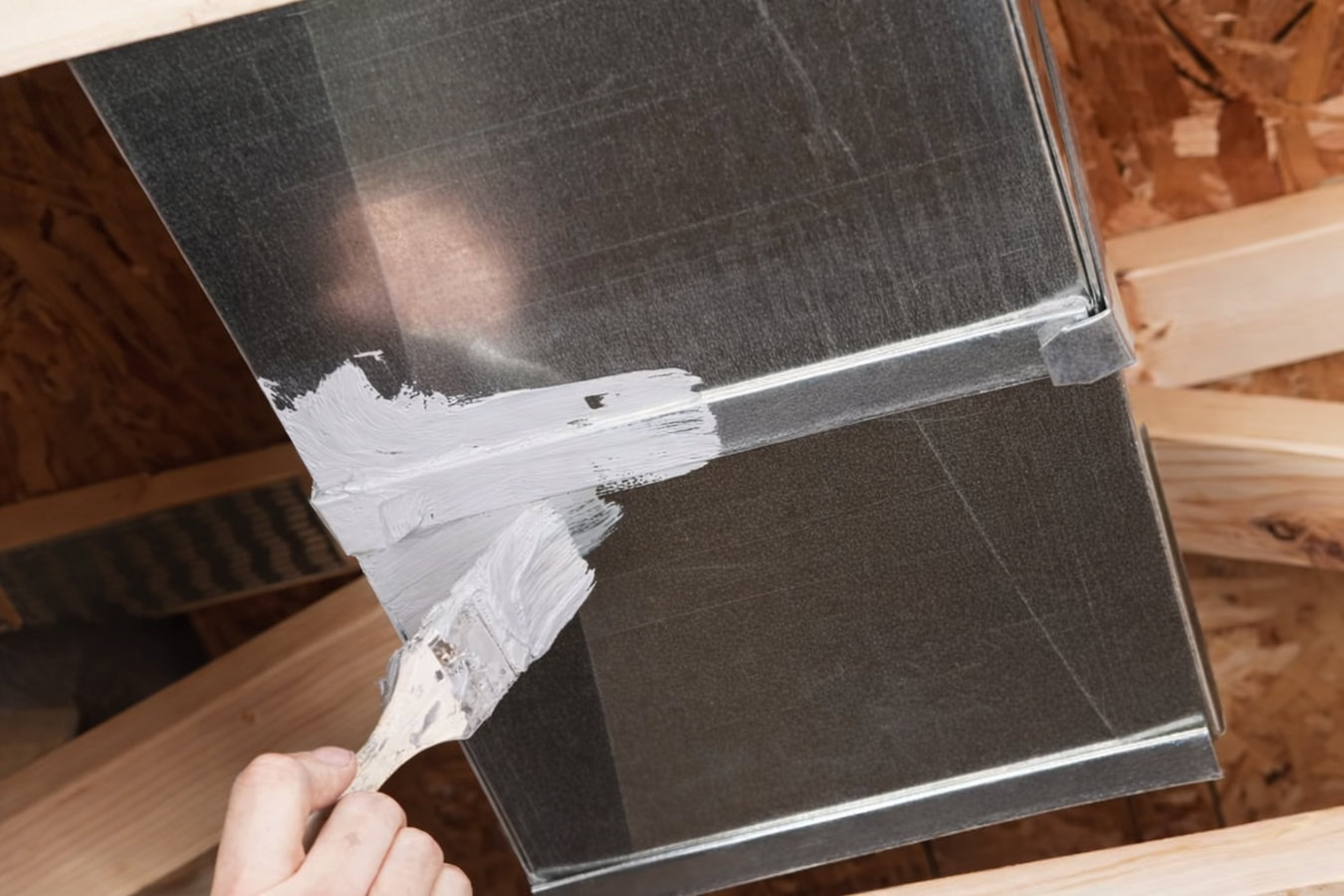
Hidden gaps in your attic, crawl space, and walls let heat pour out every winter. We find and seal them with a blower door test and targeted foam and caulk application - most jobs done in one to two days.
Air sealing services in Ashland, OH means finding and closing the small gaps where outside air enters and conditioned air escapes, typically in attics, crawl spaces, rim joists, and around pipes, and most residential jobs take one to two days with the bulk of work in spaces you rarely use.
Most homeowners in Ashland think of insulation first when heating bills run high - but air leaks are often the larger culprit. The U.S. Department of Energy estimates that air leaks account for a significant share of heating and cooling energy use in a typical home. Older Ashland homes, many built before 1980, have accumulated gaps from decades of settling, remodeling, and wear that simply were not there when the house was new.
Air sealing and insulation work together - sealing stops air movement, insulation slows heat transfer. If your home needs both, combining them in one visit is usually more cost-effective than scheduling them separately. We also offer basement insulation and attic air sealing as targeted services for the areas where leaks are most often concentrated.
If your gas or electric bill jumps sharply during Ashland's coldest months - even when you have not changed your thermostat habits - air leaks are a likely cause. Your furnace is working overtime to replace warm air that keeps escaping through gaps you cannot see. This is one of the most common and overlooked reasons Ashland homeowners overpay for heat every winter.
Run your hand along the bottom of an exterior wall on a cold day, or hold it near an electrical outlet on an outside wall. A noticeable flow of cool air means outside air is coming directly into your living space. In older Ashland homes this is especially common because walls were not air-sealed during original construction.
If a bedroom or corner of your home never quite reaches the temperature the rest of the house does, air leaks in that area are often the reason. In Ashland's older two-story homes, attic air seeping down through ceiling gaps into upper-floor rooms is a common source of this problem. Adding more heat rarely fixes it - sealing the source does.
Pull down your attic access panel and look at the edges. If you can see light coming through or the hatch feels cold to the touch in winter, that opening is a significant air leak. Attic hatches are one of the most commonly missed spots in older Ashland homes and one of the easiest to seal.
We start every air sealing job with a blower door diagnostic test - not guesswork. A technician installs a calibrated fan in your front door frame, depressurizes the house, and uses a smoke pencil or infrared camera to locate where air rushes in. This process makes invisible leaks visible and gives us a clear priority list for the work. After sealing, we run the test again so you can see the before-and-after numbers yourself.
The most common sealing work happens in your attic floor, around the rim joist where the floor frame meets the foundation, and around old plumbing and wiring penetrations. For crawl spaces - common in Ashland's older homes - we seal the crawl space perimeter and rim joist to stop ground-level cold air from entering. We pair air sealing with basement insulation for a complete lower-level treatment, and our focused attic air sealing service targets the single most common area of heat loss in north-central Ohio homes.
Best for older Ashland homes with no prior energy work - covers attic, crawl space, rim joist, and penetrations in one comprehensive visit.
Targets the attic floor where heated air escapes into unconditioned space - the highest-impact area in most Ashland homes.
Stops cold ground-level air from entering through the crawl space perimeter and the band joist running around your home's foundation.
Ashland sits in north-central Ohio, where average January temperatures drop into the low twenties and wind chill pushes the felt temperature even lower. When outside air is that cold and your home has gaps, your furnace runs almost continuously trying to compensate - and your energy bill shows it. Most of Ashland's housing stock was built before 1980, and older homes were simply not built with air-tightness in mind. Decades of settling, remodeling, and wear have added more gaps on top of the ones that existed from day one. Homeowners who have never had air sealing done are likely losing a meaningful amount of heat every winter without realizing it. The EPA's indoor air quality guidance also notes that controlled ventilation - rather than random leakage - supports better indoor air quality.
AEP Ohio, which serves the Ashland area, has offered rebates for qualifying air sealing work when completed by a certified contractor. These programs have annual funding caps and can run out before year end, so scheduling earlier in the year gives you the best chance of capturing available rebates. Homeowners in Shelby and Mansfield are also in the AEP Ohio service area and can take advantage of the same programs.
When you reach out, we ask about your home's age, whether you have a basement or crawl space, and what prompted the call - drafts, high bills, or something else. We reply within one business day and can usually schedule an assessment within one to two weeks, though fall tends to be busier.
Before any sealing work starts, we run a blower door test to measure how much air your home is currently losing and locate the biggest sources. The test takes about an hour and costs nothing extra - it is part of the job. You do not need to prepare anything; just make sure we can access your attic, basement, or crawl space.
The crew moves through your attic, basement, and crawl space, sealing gaps with foam, caulk, or weatherstripping depending on the size and location of each leak. Most work happens in spaces you do not use daily, so your routine stays intact. Sealing materials cure within a few hours.
We run the blower door test again after the work is done and share the before-and-after numbers with you. If you plan to claim an AEP Ohio rebate or federal tax credit, we provide written documentation of the work completed - keep it with your home records for tax time and future home sales.
We run a blower door test first, show you the numbers, then give you a written quote - no guessing, no obligation.
(567) 899-0137We run a blower door test before touching your home - not after. That test tells us where the leaks actually are and how bad they are, so the work we do is targeted, not guesswork. You see the before reading, then the after reading when we are done.
Most of the homes we work on in Ashland were built before 1980, and many were built before 1960. We know the construction patterns of these homes - where the gaps tend to be, how the rim joists are typically built, and what surprises to look for in older crawl spaces and attic floors.
Rebate programs through AEP Ohio and federal tax credit programs require specific documentation of the work completed. We provide that paperwork as part of every job - so you do not lose money you have already earned by filing incomplete paperwork. The Building Performance Institute sets the standard we follow.
If your home has a gas furnace, water heater, or other combustion appliances, we verify that they still vent safely after sealing. This is a standard part of our process - not an add-on - because a tighter home changes how these appliances behave and a responsible contractor checks.
Every one of these practices exists for a reason - they protect you, document the investment you made in your home, and make the work verifiable. When you hire us, you leave with numbers, not just a patched attic.
Pair air sealing with basement insulation to stop cold air and heat loss at the lower level of your home in one visit.
Learn MoreThe attic floor is the single highest-impact area for air sealing in most Ashland homes - targeted treatment delivers fast results.
Learn MoreFall appointments fill fast - lock in your assessment now and have the gaps sealed before the first cold snap arrives.