
Loading...
Serving Ashland, OH and surrounding areas. (567) 899-0137
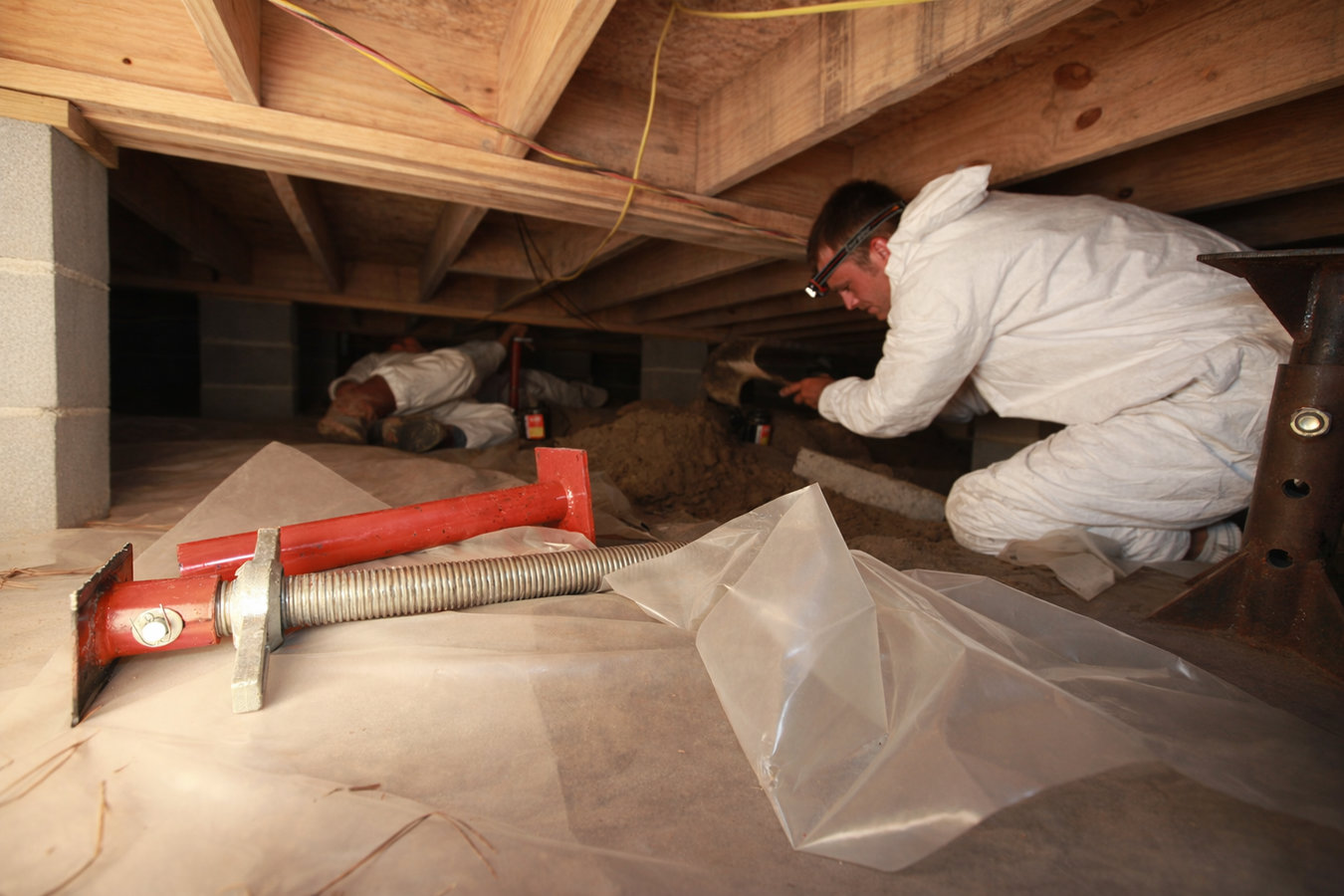
North-central Ohio soil stays wet most of the year. We install vapor barriers that block ground moisture before it reaches your floors, framing, and air quality.
Vapor barrier installation in Ashland means laying heavy-duty polyethylene sheeting across your crawl space or basement floor, overlapping and taping the seams, and running the material up the foundation walls so no moisture can sneak through the edges. Most single-family homes are complete in one to two days, and you can stay in the house the entire time.
The problem a vapor barrier solves is simple: the ground under and around your home is wet for much of the year in north-central Ohio, and without a physical barrier between that ground and your crawl space, moisture evaporates upward. It soaks into floor joists and subfloor decking, damages insulation, and creates a damp environment that smells musty and accelerates wood rot. Many Ashland homeowners live with these symptoms for years, assuming they are just a feature of older homes. They are not - they are a solvable moisture problem.
Vapor barrier installation pairs naturally with crawl space vapor barrier work, and many homeowners also add attic air sealing at the same time to address heat loss from above while protecting the home from below.
Floors that feel unusually cold during Ashland winters, or spots that feel slightly springy underfoot, are a sign that moisture has been working on the wood framing from below. This is one of the first things homeowners notice - and catching it early prevents a much costlier repair later.
A damp, earthy odor that appears in spring when snowmelt saturates the ground around your foundation is a clear signal that moisture is entering your crawl space. Many Ashland homeowners assume this is normal in an older home. It is not - it means moisture is sitting somewhere it should not be.
If you have looked into your crawl space and seen water droplets on pipes or beams, puddles on the dirt floor, or insulation that looks wet or has fallen from the joists, those are direct signs of active moisture intrusion. Wet insulation loses most of its ability to keep your home warm and accelerates wood rot.
When moisture compromises the insulation in your crawl space, your furnace works harder to maintain comfortable temperatures. If heating costs have crept up in recent winters without a clear reason, the crawl space is one of the first places worth inspecting - especially in an older Ashland home.
Our most common vapor barrier service is a full crawl space installation. We cover every inch of the ground, overlap all seams by at least a foot, tape them securely, and fasten the sheeting to the foundation walls. For homeowners dealing with more serious moisture issues - standing water, a history of high humidity, or a crawl space with existing damage - we also offer full crawl space encapsulation, which adds wall sealing and a dehumidifier to give the space complete moisture control. Both approaches use heavy-duty material that is built to last in Ashland's wet seasonal conditions.
For homes where moisture is entering through a basement floor or lower walls, we install basement vapor barriers using the same quality materials and sealed-seam approach. Some homeowners need work in both areas. Our assessment visit identifies where moisture is entering and helps you prioritize. All of our vapor barrier work connects closely to our broader crawl space vapor barrier service, and we often coordinate it with attic air sealing for homeowners who want to address moisture and air leakage in one project.
Best for homes where the primary goal is stopping ground moisture from rising through the crawl space floor.
Best for homes with persistent moisture or a history of standing water, adding wall sealing and a dehumidifier to the ground barrier.
Best for homes where moisture is entering through the basement floor or lower walls rather than, or in addition to, the crawl space.
Ashland and the surrounding area sit on clay-heavy glacial soil - the kind that holds water near the surface for days or weeks after rain or snowmelt, rather than draining away quickly. That means the ground under your crawl space is actively pushing moisture upward for much of the year, and the window between late February and April is when that pressure is highest. Homes near downtown Ashland and in the older established neighborhoods often have low crawl spaces with little to no air circulation, which makes the moisture problem even more concentrated. Homeowners in Ashland and nearby areas like Bellville deal with the same clay soil conditions and benefit from the same solution.
Ashland also has a large share of housing built before the 1980s - ranch homes, two-story Craftsman and Victorian houses near downtown, and older neighborhoods close to Ashland University. Many of these homes were built when crawl space moisture control simply was not part of standard construction practice. If your home is more than 40 years old and no one has ever done crawl space work, there is a good chance the floor joists and subfloor above it have been absorbing moisture for decades. A properly installed vapor barrier stops that process and gives the wood a chance to dry out. The EPA identifies crawl space moisture control as a key factor in indoor air quality, and the Building Science Corporation provides extensive guidance on why sealed crawl spaces outperform vented ones in climates like ours.
We ask about your home's age, crawl space layout, and any moisture signs you have noticed. You will hear back within one business day to set up an on-site visit - no commitment needed at this stage.
We physically enter the crawl space to assess its size, access, current barrier condition, and moisture level. This visit is free and we give you a written estimate before any work begins.
The crew clears debris, lays the polyethylene sheeting across the entire floor with overlapping seams, tapes them tight, and runs the material up the foundation walls. Most installs finish in one day.
Before leaving, we show you photos taken inside the crawl space so you can see the finished work without going in yourself. We also explain what to watch for and answer any follow-up questions.
Free estimate, no obligation. We are in Ashland and we reply within one business day.
(567) 899-0137We use heavy-duty polyethylene sheeting and cover every inch of the crawl space floor - including around support columns and pipes. Gaps at the edges are where moisture problems restart, and we do not leave them.
Ashland sits on glacial clay soils that hold water near the surface for much of the year. Most of the homes we work on here were built before moisture control was standard practice. These are not unusual conditions for us - they are our normal.
Crawl space work happens out of sight, so we photograph the finished installation from multiple angles. You get a clear record of what was done - something you can show a future home inspector or buyer with confidence.
For straightforward vapor barrier installs, no permit is typically required in Ashland. If your project grows to include insulation or structural repairs, we know when to contact the City of Ashland Building and Zoning Department - and we handle it without putting that burden on you.
Every one of these points reflects how we actually approach a vapor barrier job. When you call for an estimate, you will see them in practice - not just on a webpage.
Seal air leaks in your attic to work alongside crawl space moisture control for whole-home energy efficiency.
Learn MoreFocused crawl space barrier installation for homes where ground moisture is the primary concern.
Learn MoreAshland's spring thaw is the highest-risk season for crawl space moisture. Call Ashland Insulation now for a free estimate and get your home protected before the next wet season.