
Loading...
Serving Ashland, OH and surrounding areas. (567) 899-0137
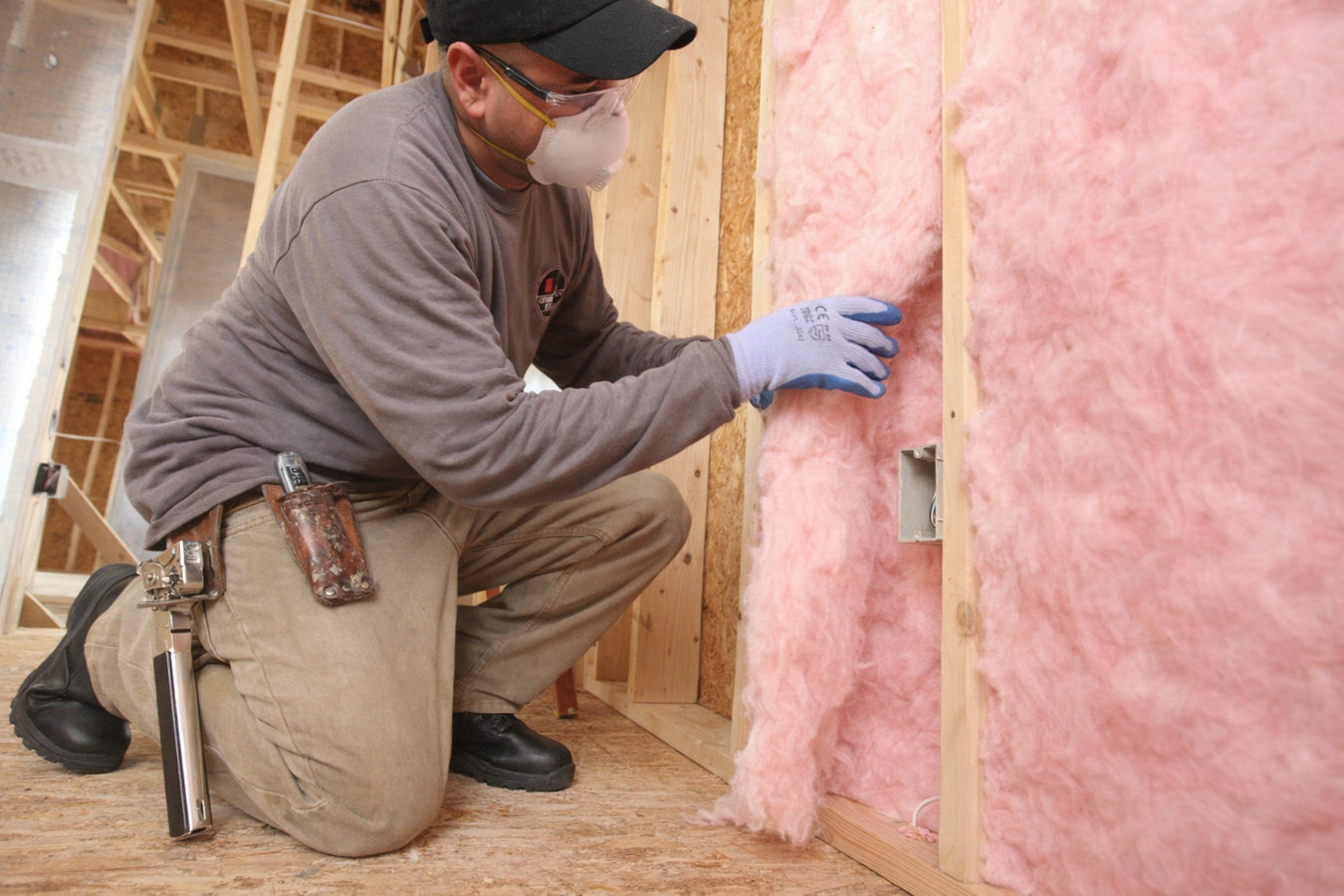
Your home is already built - but that does not mean it has to stay under-insulated. We add insulation to existing attics, walls, and crawl spaces without tearing anything apart, so you get lower bills and even temperatures all year.
Retrofit insulation in Ashland means adding insulation to a home that is already built - without tearing out walls or doing a major renovation. Most attic projects finish in a single day, and wall insulation is typically done in one to three days with no visible evidence of the work when it is complete.
A large share of Ashland's homes were built before 1980, and many before 1960, when insulation requirements were far less strict than they are today. If your home is from that era, there is a very good chance the walls have little or no insulation, and the attic has only a fraction of what current standards call for. That gap is exactly what retrofit work addresses - filling in what was never there without requiring you to move out or renovate.
We always recommend pairing insulation with attic air sealing because insulation slows heat transfer through solid material but cannot stop air moving through gaps and holes. Sealing first, then insulating, gives you the full improvement. We offer both in the same visit so you do not have to schedule two separate projects.
If your gas or electric bill jumps sharply when cold weather arrives and stays high through March or April, your home is likely losing heat faster than it should. Ashland's long heating season makes this especially noticeable - a well-insulated home holds heat much longer between furnace cycles, so the furnace does not have to run as often. If neighbors in similar-sized homes are paying noticeably less, poor insulation is one of the first things worth checking.
If a bedroom, a corner of the living room, or the room above the garage is always noticeably colder in winter no matter how high you set the thermostat, that is a classic sign of missing or inadequate insulation in that area. This is a very common complaint in Ashland's older homes, where insulation was often installed unevenly or not at all in certain areas.
Hold your hand near an electrical outlet on an exterior wall on a cold day - if you feel a draft, air is moving through the wall cavity. This means the wall is not just under-insulated; it also has air leaks pulling cold outside air directly into your living space. This is especially common in homes built before 1970, which make up a significant share of Ashland's housing stock.
If your attic feels extremely hot in summer and extremely cold in winter - much more extreme than the rest of the house - your attic insulation is not doing its job. An attic that gets very hot in summer drives up cooling costs and can shorten the life of your roof. One that gets very cold in winter lets heat escape from the living spaces below.
We handle retrofit insulation for attics, walls, and crawl spaces - individually or as part of a full home project. Attic work is the most common starting point because heat rises and the attic is typically where the most energy is lost in Ohio winters. We blow loose-fill insulation in to the correct depth, and we seal air gaps first so the insulation has the best possible conditions to do its job.
For walls, we use injection foam - pumped through small drilled holes in the exterior or interior - to fill cavities that have never had insulation. The holes are patched and painted to match when we are done. For crawl spaces, we assess moisture conditions first and may recommend a vapor barrier alongside the insulation, because wet insulation in a crawl space does not perform and can cause further problems. Every recommendation is based on what we actually find in your home.
Best for homes with accessible attic space where adding depth to the attic floor will have the biggest impact on heating and cooling costs.
Ideal for homes with little or no insulation in exterior walls - particularly pre-1980 construction common in Ashland's older neighborhoods.
Suited to homes with open or poorly insulated crawl spaces where cold floors and moisture issues point to a gap in the building envelope.
Ashland's heating season runs from October through April, with January lows that regularly fall into the teens. A poorly insulated home is not just uncomfortable during that stretch - it is expensive, with heating bills that can run hundreds of dollars higher per month than a well-insulated home nearby. That long, cold season is why retrofit insulation pays back faster here than in milder climates. North-central Ohio's humid summers also put pressure on crawl spaces and attics, making insulation and moisture control part of a year-round energy picture, not just a winter concern.
We serve homes throughout the Ashland area, including in Crestline and Shelby. The homes in these communities share the same construction era and climate challenges as Ashland's housing stock, and we bring the same thoroughness to every project across the region. If your community is in our service area, call us to discuss what a retrofit project would look like for your specific home.
We ask a few basic questions about your home's age and what areas concern you - just enough to send the right person to your home. You do not need to know anything technical. We schedule an in-home assessment and reply within one business day.
We walk through your home and look at your attic, walls, and crawl space to see what insulation is already there and where the gaps are. This visit takes one to two hours, and you will get a written estimate before anyone starts any work - including what material will be used and whether air sealing is included.
For attic work, we run a hose from our truck up through the attic hatch and blow material in to the correct depth. For wall insulation, small holes are drilled from outside, material is injected, and the holes are patched. The crew cleans up before they leave.
We walk you through the completed work - showing you what was done, confirming attic depth, and explaining any wall patching. Most homeowners notice a difference in comfort within the first few days, and the full impact on energy bills shows up over the first full heating season.
No pressure, no obligation. We will walk through your home, show you where the heat is escaping, and give you a written quote. We reply within one business day.
(567) 899-0137Insulation slows heat transfer through solid material, but it cannot stop air from flowing through cracks and gaps. We seal those gaps before adding insulation on every project, because that is what makes the insulation work the way it is supposed to. A quote that does not include air sealing is a quote for half the job.
A large share of Ashland's homes were built before 1980 - many before 1960 - when insulation standards were far lower than they are today. We work on these homes regularly and know what to expect from their construction: thinner walls, older framing methods, and insulation levels that were never adequate for Ohio winters. We arrive prepared, not surprised.
Ashland is served by AEP Ohio, which offers rebates for qualifying insulation improvements. The federal government also offers a tax credit worth up to 30 percent of the project cost for qualifying insulation work, up to $1,200 per year. We are familiar with both programs and can help you document your project correctly so you can claim what you are owed.
Retrofit insulation is designed for homes that are already built. We add material through existing access points - the attic hatch, small drilled holes in wall exteriors, or crawl space access - and patch everything when we are done. Your home looks exactly the same when we leave, and you start benefiting from the improvement right away.
Retrofit insulation is one of the few home improvements that makes your home noticeably more comfortable, lowers your ongoing costs, and adds to its resale value - all without a major renovation. The North American Insulation Manufacturers Association provides industry standards and homeowner resources that inform how we approach every project. We follow current best practices because they produce results that last.
The U.S. Department of Energy publishes detailed guidance on insulation types, where to insulate, and how to evaluate a contractor. The ENERGY STAR federal tax credit page is the most current source for what qualifies and what you can claim.
Where spray foam is the right material for your retrofit project, we apply it to seal and insulate in a single step.
Learn MoreA whole-home approach that covers attics, walls, and crawl spaces together for homeowners who want to address everything at once.
Learn MoreSpots fill up fast before the heating season - lock in your date now and start saving on your first winter bill.