
Loading...
Serving Ashland, OH and surrounding areas. (567) 899-0137
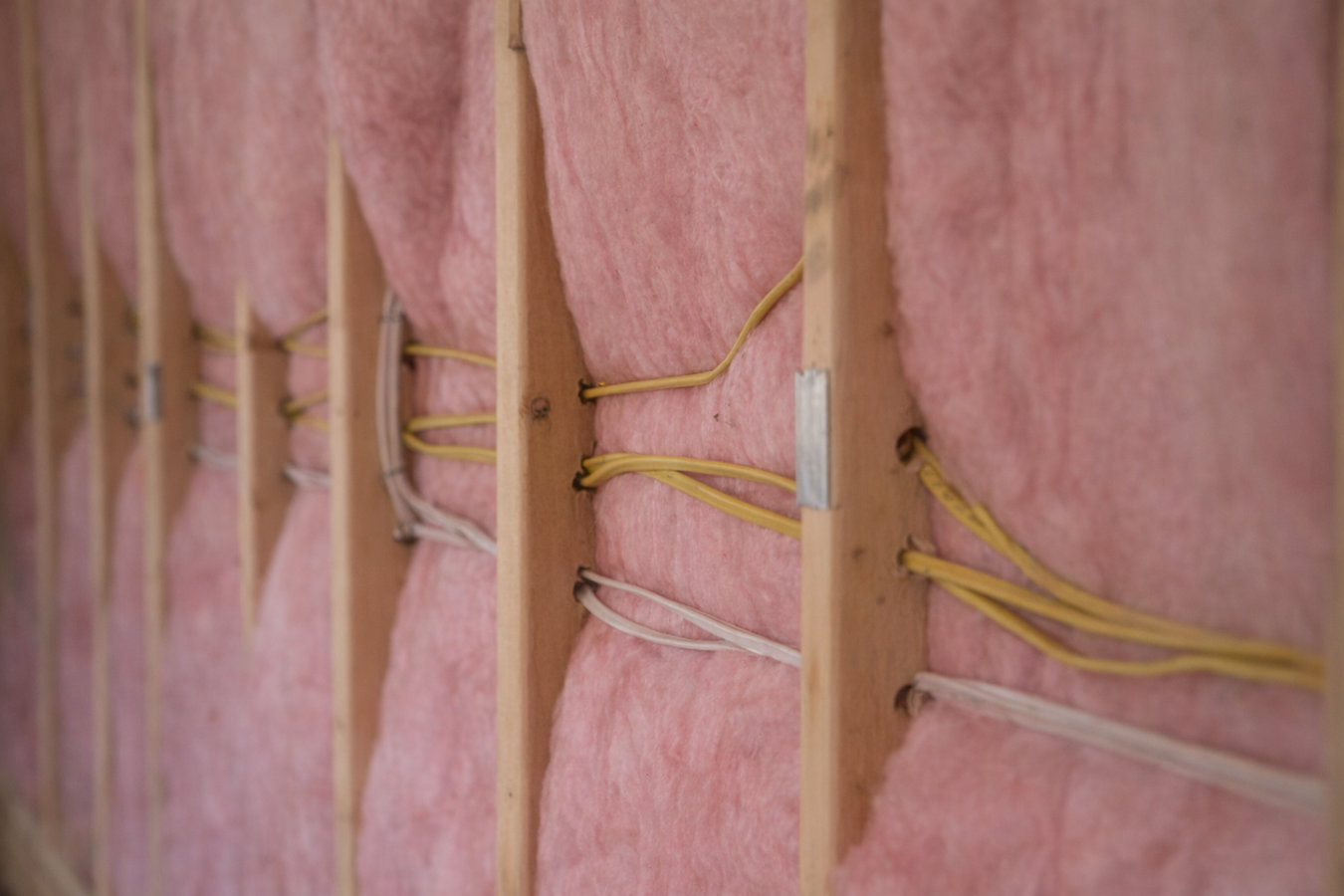
If your exterior walls have little or no insulation, your furnace works overtime every winter. We fill wall cavities from the outside or inside with no drywall tear-out, usually finishing in a single day.
Wall insulation in Ashland, OH fills empty or settled wall cavities to slow heat loss, typically installed through small drilled holes without removing drywall, and most jobs are finished in a single day with minor cleanup.
Ashland sits in north-central Ohio, where January temperatures regularly drop into the teens. Many homes in this area were built before 1980 - well before energy efficiency was a building priority. If your exterior walls have never been insulated, heat pours through them all winter while your furnace runs continuously trying to keep up.
Wall insulation is one of the most impactful upgrades you can make in an older home. Pair it with air sealing services for the best results, since sealing gaps and insulating together stops both air movement and heat transfer through your walls.
If your gas or electric bill climbs sharply when cold weather arrives and stays high until spring, underinsulated walls are one of the most common causes. In Ashland's climate, where heating season runs nearly five months, this pattern shows up clearly on monthly statements. It is one of the most fixable problems on an older home.
Hold your hand a few inches from an exterior wall on a cold January morning. If the surface feels noticeably cold or you sense a chill radiating from it, heat is escaping through the wall cavity. This is especially common in Ashland's older wood-frame homes, where original insulation has settled or degraded over the decades.
If bedrooms or living spaces along the outer edges of your home are always a few degrees colder than the rest of the house in winter, or warmer in summer, the walls in those rooms likely have little insulation. This is a classic sign in homes built before the 1980s, which make up a large share of Ashland's housing stock.
If you own an older Ashland home and have no record of wall insulation work being done, there is a good chance the walls have little or nothing in them. A contractor can assess the walls with a small probe or thermal camera before recommending any work - you do not have to guess.
We install wall insulation in existing Ashland homes using two primary methods: blown-in loose fill and injection foam. Both go in through small holes drilled in the wall surface so there is no need to tear out drywall. Blown-in material fills the cavity with tiny fibers or pellets and is well-suited for standard wood-frame walls. Injection foam expands to fill gaps and cracks as it sets, making it a strong choice for walls with unusual construction or for homes where a denser fill is needed. For homes being renovated and walls are already open, we also offer batt insulation to meet Ohio code requirements.
If your walls need both insulation and air sealing, we can address them together in one visit. We also offer blown-in insulation for attics and other accessible spaces, and our air sealing services close the gaps that let conditioned air escape around your insulation.
Best for standard wood-frame walls in Ashland's older homes - fills cavities evenly through small drilled holes.
Ideal for walls with unusual construction, brick veneer exteriors, or cavities that need a denser, gap-filling material.
Best for homeowners already renovating - walls are open during a remodel, so batt insulation meets current Ohio code at the lowest cost.
Ashland is a small north-central Ohio city where a large share of homes were built in the mid-20th century or earlier. Homes constructed before the 1960s were almost never insulated in the walls during original construction, and even homes built through the 1970s often have insulation that has settled and lost effectiveness. The result is a housing stock where heat loss through exterior walls is common and, in many cases, significant. Add Ashland's cold, long winters - with average January temperatures regularly dropping into the teens - and underinsulated walls become one of the most direct reasons heating bills run high from November through March. The U.S. Department of Energy notes that properly insulating your home is among the most cost-effective ways to reduce energy use.
Ashland's older neighborhoods also feature brick veneer and solid wood-frame construction, which affects how a contractor accesses the wall cavity. Brick homes typically require drilling from the interior to avoid damaging the masonry - a routine approach for experienced contractors who know this housing stock. Homeowners in Bellville and Loudonville face similar conditions, and we serve both communities with the same attention to local construction details.
When you reach out, we ask a few basic questions - the age of your home, wall construction type, and what has prompted the call. We reply within one business day and schedule an in-person visit before giving you a price, because wall insulation jobs vary significantly depending on what is already in the walls.
During the visit, we walk the exterior and interior, check the wall construction type, and often use a small probe or thermal imaging camera to see what is inside your walls. The assessment takes 30 to 60 minutes and gives us everything needed to recommend the right method and give you an accurate written quote.
The crew drills small holes in a pattern along your exterior walls - from inside or outside depending on your home's construction - injects or blows in the material, then patches and seals every hole. For most Ashland homes this takes one full day. You can stay home throughout.
Once the insulation is in, we patch all holes with material that matches your wall surface as closely as possible, clean up the work area, and walk you through what was done. If any patched areas need touch-up paint, we will let you know what to expect before we leave.
Free estimate, no pressure. We will tell you exactly what is in your walls and what it would cost to fix - whether or not you hire us.
(567) 899-0137A large share of Ashland's housing stock was built before modern insulation standards existed. We have assessed and insulated homes across these older neighborhoods and understand the wood-frame and brick veneer construction common here. That local knowledge means fewer surprises on the day of the job.
Every estimate includes the scope of work, the material, the number of walls covered, and the patch-and-repair approach. You know exactly what you are paying for before we show up. The Building Performance Institute recommends verifiable documentation for all insulation work - we provide it as standard practice.
After the installation, we can show you the density readings or bag counts that confirm the wall cavity was filled to specification. You should never have to take a contractor at their word for work you cannot see - so we do not ask you to.
Ohio utility rebate programs have annual funding caps and can run out before year end. We are familiar with current AEP Ohio and federal tax credit programs and can document the work in a way that supports your claim - so you do not miss money you have already earned.
These credentials and practices are not checkboxes - they are what separate a job that actually performs from one that just looks done. When you hire us, you get documentation you can keep, share with your utility, and point to if you ever sell the home.
Close the gaps that let conditioned air escape around your insulation - air sealing and wall insulation work best together.
Learn MoreThe same blown-in method used for walls is also the most common approach for attic and floor cavity insulation in existing Ashland homes.
Learn MoreAshland's cold months arrive fast - schedule your free estimate now and have the work done before November.