
Loading...
Serving Ashland, OH and surrounding areas. (567) 899-0137
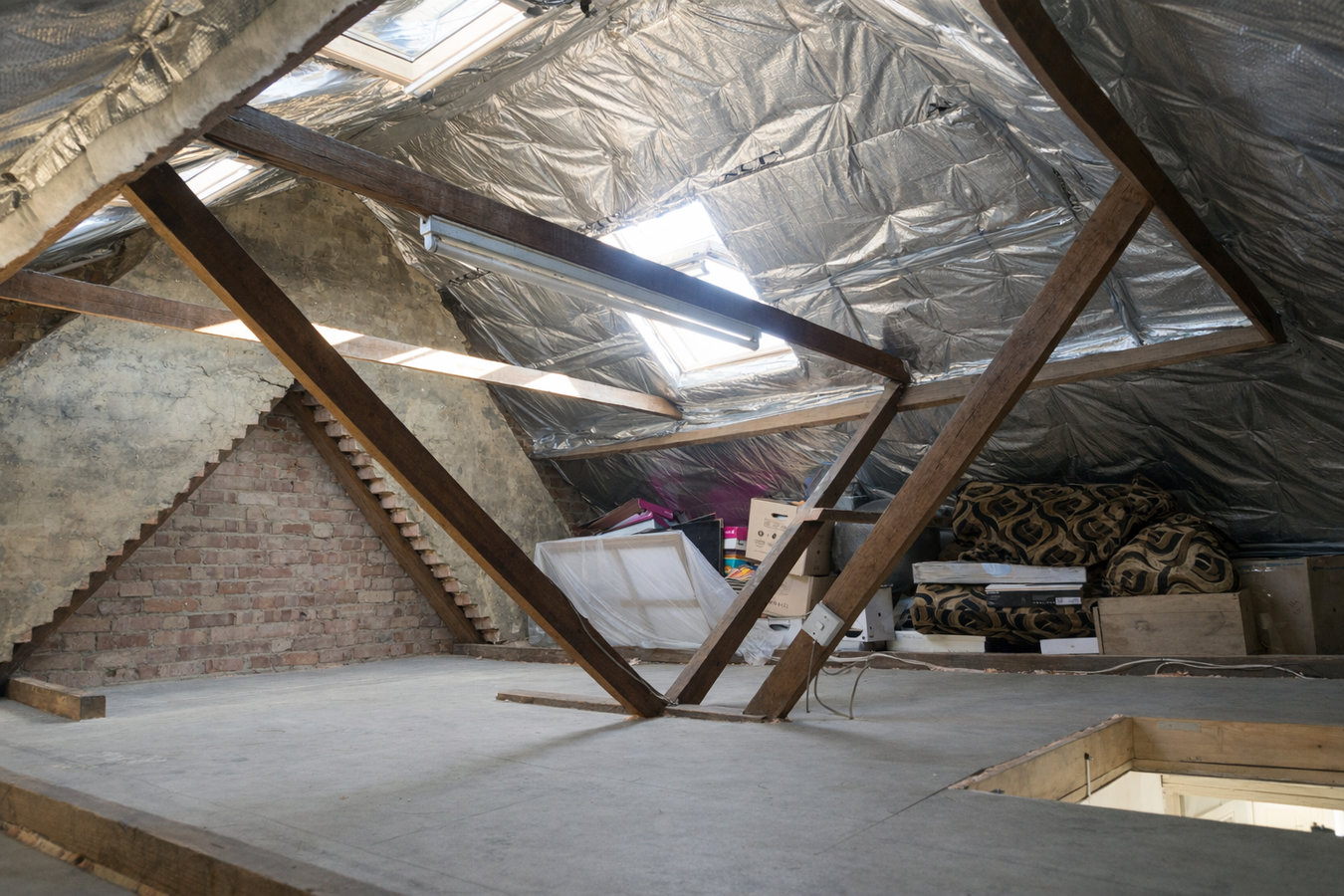
Heat rises - and in an under-insulated attic, it goes straight out through your ceiling. Proper attic insulation keeps warmth inside your home where it belongs, so your furnace runs less and your bills reflect it.
Attic insulation in Ashland, OH slows heat movement between your living space and the outdoors - keeping warmth inside during long Ohio winters and blocking heat from baking down through your ceiling in summer, with most installation jobs completed in a single day. Heat rises, so your attic is where most of that heat loss happens. Without enough insulation, your furnace runs more often to maintain the same temperature - and you pay for every extra cycle on your gas bill. Pair it with proper blown-in insulation and you cover the full attic floor without gaps.
A large share of Ashland homes were built before 1980, when insulation standards were far less demanding. Many of these homes were built with only a few inches in the attic - enough to meet the standards of the time, but far short of what keeps a home comfortable and efficient now. Ohio's humidity and temperature swings also take a toll on older materials: fiberglass batts can sag and lose their effectiveness, and cellulose can settle and compress over years. If your home was built before 1980 and has never had insulation work done, the attic is likely one of the biggest sources of energy loss in the house.
If your gas or electric bills climb sharply from November through March and stay high no matter how carefully you manage the thermostat, your attic insulation may be the culprit. Heat rises, and in an under-insulated attic, it escapes straight through the ceiling. Ashland winters are long and cold enough that even modest insulation gaps translate into real money over a full heating season.
If bedrooms on your top floor are always chillier than the rest of the house, or if you feel a cold draft near the ceiling even with the heat running, heat is escaping through the attic above. This is especially common in Ashland homes built before 1980, where insulation was installed to older, lower standards. Adding insulation above those rooms makes a noticeable difference.
If you peek into your attic hatch and see the wooden joists sticking up above the insulation, you almost certainly do not have enough. Joists should be buried under insulation, not visible above it. If the material looks patchy, compressed, or disturbed by animals or water, that is also a sign it is time for an assessment.
Ice dams are ridges of ice that build up along the edge of your roof after a snowfall. They happen when heat escaping from your living space warms the roof deck, melts snow, and the water refreezes at the cold eaves. Ashland gets enough winter precipitation that ice dams are a real concern - and they are almost always a sign of heat escaping through an under-insulated attic.
Ashland Insulation installs blown-in and batt insulation in attics throughout the Ashland area. We most commonly use blown-in insulation because it fills the attic floor more completely - it reaches corners, gaps around framing, and irregular spaces that pre-cut batts leave behind. Before the insulation goes in, we air-seal the gaps around light fixtures, pipes, and where walls meet the ceiling. Skipping that step is one of the most common ways a cheaper job underperforms - insulation slows heat through solid surfaces, but attic air sealing stops it from sneaking through the cracks.
Federal guidelines recommend Ohio homes reach R-49 to R-60 of attic insulation. Many Ashland homes fall well short of that. We measure what is already there and tell you exactly what is needed to reach the right level - no guessing, no upselling beyond what your home actually requires.
Machine-installed loose-fill material that fills every gap and corner - the most thorough coverage for an unfinished attic floor.
Closes gaps around fixtures, pipes, and framing before insulation is added - the step that makes the whole job perform correctly.
In most cases, old insulation can stay in place and new material is added on top - saving cost without sacrificing performance.
We measure your current attic depth and condition and give you a written report before any work begins - no obligation.
Ashland sits in north-central Ohio and gets cold winters with average January lows around 18 to 20 degrees. The area also receives lake-effect snow influence from Lake Erie, which means meaningful snowfall on top of sustained cold. That combination means your attic insulation is working hard for five or more months a year - and thin or aging insulation shows up fast as high heating bills and cold spots near the ceiling. Homes here benefit from insulation levels at the higher end of what federal guidelines recommend for the region. Ice dams are a recurring problem for Ashland homes with inadequate attic insulation - and properly insulating and air-sealing the attic is the most reliable long-term solution.
We work on homes throughout the area, including Loudonville and Bellville. AEP Ohio serves Ashland and has historically offered rebate programs for attic insulation upgrades - it is worth asking before you schedule work because rebates can take a meaningful chunk off the total cost. The ENERGY STAR federal tax credit program is another option that can be stacked with a utility rebate to reduce what you pay out of pocket.
We respond within 1 business day. We ask a few questions about your home - its age, size, and what has prompted the call. Most jobs cannot be quoted accurately over the phone because attic conditions vary too much from house to house.
We come out, go up into the attic, and measure what is already there. We check the depth and type of existing insulation, look for air gaps, and assess ventilation. You get a written quote before anyone leaves - usually within 30 to 60 minutes of arrival.
You clear a path to the attic hatch and move any items stored near the opening. If you use the attic for storage, move items to the sides or out entirely for best results. Your contractor confirms exactly what is needed from you when they schedule the job.
A blowing machine outside connects to a long hose that runs up through the hatch. A standard attic takes two to four hours. You can stay home during the work. Afterward, the crew cleans up and walks you through the finished attic - or shows you photos - so you can see the even, consistent coverage yourself.
There is no obligation. A free attic assessment is just a look at what you have and a written quote you can compare. We respond within 1 business day and schedule a time to come take a look at your attic.
(567) 899-0137We photograph and document every attic we insulate, so you have a clear record of what was installed and where. Our crews work to Ohio energy code and coordinate permits when the job calls for it, and you get the paperwork to prove it.
We are a local business that has been working on Ashland homes since 2019. We know what the housing stock here looks like - older two-story homes near downtown, ranch houses in outer neighborhoods, attics that have been retrofitted over the decades. That context matters when we are recommending what your home actually needs.
We seal gaps around light fixtures, pipes, and framing before the insulation goes in. Many contractors skip this step to speed up the job - but skipping it is one of the most common reasons a well-insulated attic still underperforms. Air sealing and insulation work together, and we include both on every attic job.
We offer free in-home assessments with no obligation. After looking at your attic, we give you a written quote that breaks down what we are recommending and why - so you can compare it clearly against any other bids you receive. We respond within 1 business day of your initial contact.
A properly insulated attic is one of the highest-return improvements you can make to an older Ohio home. We make the process straightforward, show you the work when it is done, and leave you with a home that performs the way it should.
The machine-installed loose-fill method used in most attic jobs - fills corners and irregular spaces that batt insulation leaves behind.
Learn MoreClose the gaps around fixtures, pipes, and framing first - the step that makes your new insulation actually perform the way it should.
Learn MoreAshland winters start in November and do not let up - schedule your estimate now so your home is ready before the cold sets in.