
Loading...
Serving Ashland, OH and surrounding areas. (567) 899-0137
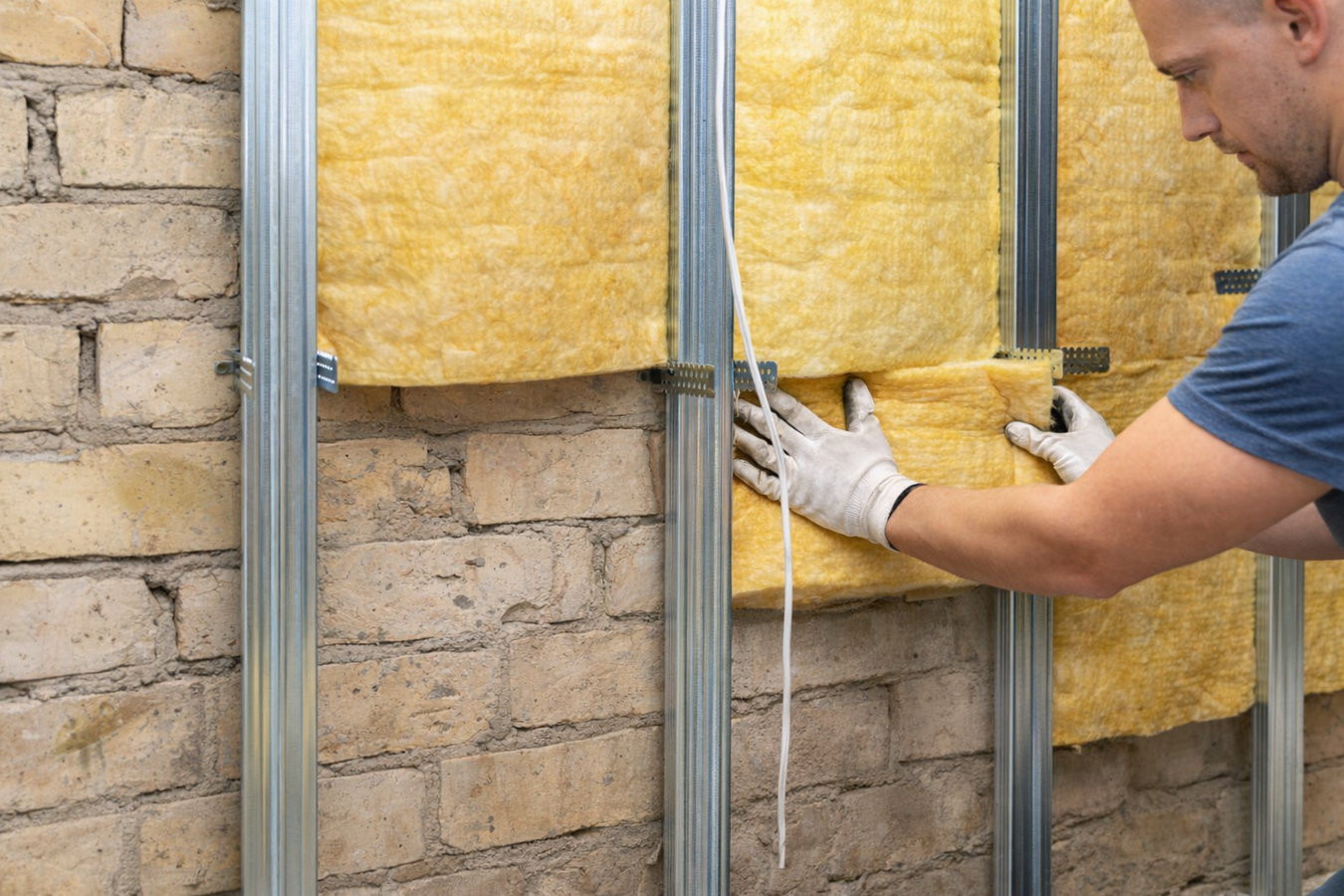
An uninsulated foundation bleeds heat all winter long. We insulate basement walls and ceilings so your floors stay warm and your furnace is not fighting a losing battle against the cold.
Basement insulation in Ashland, OH slows heat from escaping through your foundation walls and the floor above, most jobs taking one to two days from start to finish in a standard single-family home. Heat rises, but cold works its way up from below too - an uninsulated foundation wall is one of the biggest sources of winter heat loss in older Ohio homes. The result of fixing it is warmer floors, steadier room temperatures, and a real reduction in heating costs over the course of the season.
Many Ashland homes were built before the 1980s, when basement insulation was rarely included in residential construction. If your home is in that category, there is a good chance your basement is one of the weakest points in your home's ability to hold heat. Pairing basement insulation with crawl space insulation addresses the full below-grade envelope in one project and tends to deliver the most noticeable comfort improvement.
Moisture matters here too. Ashland County sits on glacially deposited soils that hold water and push it against foundation walls during wet seasons. Any signs of past water intrusion need to be resolved before insulation goes in - trapping moisture behind insulation causes mold and structural damage that costs far more to fix than the insulation itself. We check for that during every assessment and give you a straight answer about what needs to happen first.
If the floors in rooms directly above your basement feel noticeably cold in winter - even when the furnace is running - heat is escaping through an uninsulated or poorly insulated basement ceiling. This is especially common in Ashland homes built before the 1980s, where basement ceilings were often left completely bare. Cold floors are uncomfortable, and they signal that you are paying to heat air that disappears through your foundation.
If your gas or propane bills feel out of proportion to the size of your home, the basement is one of the first places to investigate. Ashland winters are long and cold, and an uninsulated foundation wall can bleed heat continuously from October through March. Many homeowners do not realize how much energy they are losing until they compare bills before and after insulation - the difference is often striking.
If you look up at your basement ceiling and see insulation that is falling down, has gaps between sections, or is visibly compressed and thin, it is no longer doing its job. Insulation disturbed by plumbing or electrical work - or that has simply aged over decades - loses much of its effectiveness. This is a common finding in Ashland's older housing stock and one of the most straightforward problems to fix.
Ashland's clay-heavy soils and spring snowmelt seasons mean basement moisture is a real and recurring issue for many homeowners. A musty smell after rain or snowmelt is a sign that moisture is getting in - and if your basement has insulation, that moisture may already be trapped behind it. Getting a professional assessment after a wet season is a smart move even if you are not ready to insulate yet.
We install basement insulation in both finished and unfinished spaces throughout Ashland and surrounding Ashland County. For unfinished basements used primarily for storage, insulating the ceiling - the underside of the floor above - is usually the most efficient approach. It keeps your living areas warm without conditioning the basement itself. For basements used as living space or being prepared for finishing, we insulate the foundation walls instead, which brings the whole lower level into the heated envelope of your home. We also handle rim joist insulation - the framing at the top of the foundation wall - which is one of the most commonly overlooked sources of heat loss and air infiltration in older homes.
When the application calls for it, we use closed-cell foam insulation for rim joists and foundation walls where moisture resistance matters most. For ceiling applications in unfinished basements, fiberglass batts or blown-in material are often the right fit. Every basement is different, and we walk you through the options before any work begins so you understand what you are getting and why.
Best for unfinished basements - insulates the floor above to keep living areas warm without conditioning the basement space.
Ideal for finished or soon-to-be-finished basements - brings the lower level into the home's heated envelope.
Targets one of the most common air leak and heat loss points in older Ashland homes - the framing above the foundation wall.
Used where moisture resistance and air sealing are priorities - particularly rim joists, block walls, and problem corners.
Ashland sits in north-central Ohio, where average January lows regularly drop into the teens and lake-effect snow influence from Lake Erie keeps winters long and cold. An uninsulated foundation wall is one of the biggest sources of heat loss in a home during these winters. Ashland's residential neighborhoods include a significant share of homes built before the 1980s - many with little or no basement insulation by today's standards. If your home is in that category, your basement is almost certainly costing you money every heating season. Homes in the area rely primarily on natural gas for heat through Dominion Energy Ohio, and the payback period on basement insulation is shorter here than in milder climates because the heating season runs roughly six months.
Ashland County's clay-heavy, glacially deposited soils hold water and create hydrostatic pressure against foundation walls - particularly during spring snowmelt. Wet basements are a common complaint here, which is why we check for moisture issues before any insulation goes in. We serve homeowners across the Ashland area, including Bellville and Loudonville, where the housing stock and soil conditions are similar. For homes in these communities, basement insulation is one of the higher-value improvements available - especially when paired with rim joist sealing.
We get back to you within 1 business day. Just describe roughly how large your basement is and whether you have had any water issues - that is all we need to prepare for the visit. No pressure, no commitment at this stage.
We walk through your basement, check the current state of the walls and ceiling, and look for any signs of moisture. This visit typically takes 30 to 60 minutes. We explain what we see and answer your questions honestly - including if we think the job is straightforward or if something needs to be addressed first.
Within a few days you receive a written estimate with a clear scope and cost. We also confirm whether the City of Ashland Building Department requires a permit for your project - and if one is needed, we handle the paperwork. You do not need to navigate that on your own.
Most basement insulation jobs in a standard Ashland home take one full day. You can be home during the work - the crew stays in the basement. When the job is done, we walk you through the finished space and show you what was installed before we leave.
Free estimate, no obligation. We respond within 1 business day and give you a written quote before any work begins.
(567) 899-0137Ashland County's clay-heavy soils and pre-1980s housing stock create specific challenges - moisture pressure on block foundations, settled framing, and rim joists that were never insulated. We have worked on these conditions regularly and know what to look for before insulation goes in.
We will not install insulation over a moisture problem and hand you a bill. Every assessment includes a check for signs of water intrusion. If something needs to be addressed first, we tell you clearly - because doing the job in the right order is the only way your investment holds up.
If your project requires a permit from the City of Ashland Building Department, we pull it and coordinate the inspection. You do not have to make calls to the city or figure out the process. The work gets reviewed by an independent inspector, which protects you now and when you sell.
When the work is done, we walk you through the finished basement and point out everything that was installed. You will be able to see the coverage yourself - no guessing whether the job was done right. Questions after the fact are answered promptly.
The North American Insulation Manufacturers Association sets the installation quality standards we follow on every job. Doing the work right the first time - proper coverage, no gaps, moisture check included - is how basement insulation delivers the savings you are expecting rather than creating a problem you have to fix later.
The dense, moisture-resistant option used for rim joists, foundation walls, and anywhere water vapor is a concern.
Learn MorePairs with basement insulation to address the full below-grade envelope and stop cold and moisture from below.
Learn MoreAshland winters are long - the sooner your foundation is properly insulated, the sooner your heating bills reflect it. Contact us now and we will get back to you within 1 business day.